Basic Adult Skills: Money, Health, Home & Communication
What are the basic skills of an adult?
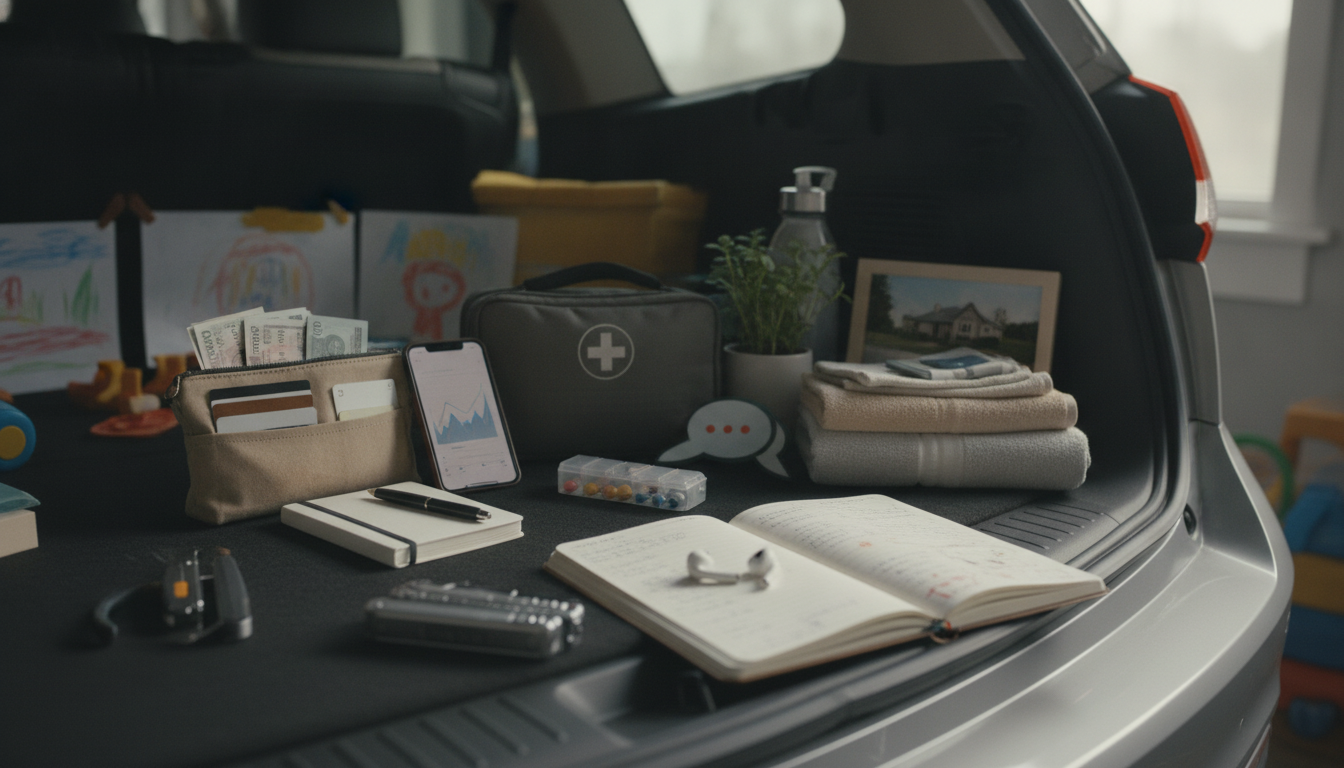
Basic adult skills are the practical abilities that keep day-to-day life stable: taking care of yourself, managing money, communicating clearly, handling responsibilities, and making sound decisions. They’re less about having everything figured out and more about being able to meet needs, solve common problems, and keep commitments with reasonable consistency.
Personal care and health management
Adults typically need to manage hygiene, nutrition, sleep, and basic healthcare. That includes preparing simple meals, keeping a living space sanitary, understanding medications and appointments, and recognizing when to seek professional help for physical or mental health concerns.
Financial basics
Money skills usually start with budgeting, paying bills on time, tracking spending, and avoiding high-risk debt. Understanding paychecks, banking, credit scores, taxes, and emergency savings helps protect independence and reduces stress when unexpected expenses show up.
Home and life administration
Routine maintenance and planning are core skills: doing laundry, cleaning, basic troubleshooting, shopping efficiently, and keeping important documents organized. Scheduling, time management, and knowing how to prioritize tasks make responsibilities more manageable.
Communication and relationships
Clear communication includes listening, expressing needs respectfully, setting boundaries, and handling conflict without escalation. Relationship skills also involve reliability, empathy, and the ability to collaborate—whether with roommates, family, coworkers, or partners.
Work habits and decision-making
Professionalism often comes down to being dependable, meeting deadlines, following through, and adapting when plans change. Decision-making skills include evaluating options, understanding consequences, asking for advice when needed, and learning from mistakes rather than repeating them.
For a deeper breakdown and practical examples you can apply right away, visit What Are the Basic Skills of an Adult?.
For Basic Adult Skills: Money, Health, Home & Communication, the best answer depends on fit, material, care instructions, and how the product will be used day to day.
FAQ
What are life skills adults should learn first?
Start with budgeting and bill-paying, simple meal prep, basic cleaning and laundry, scheduling appointments, and communicating boundaries. These create the fastest improvements in stability and independence.












Leave a comment