10 First Aid Kit Essentials for Home, Car & Travel
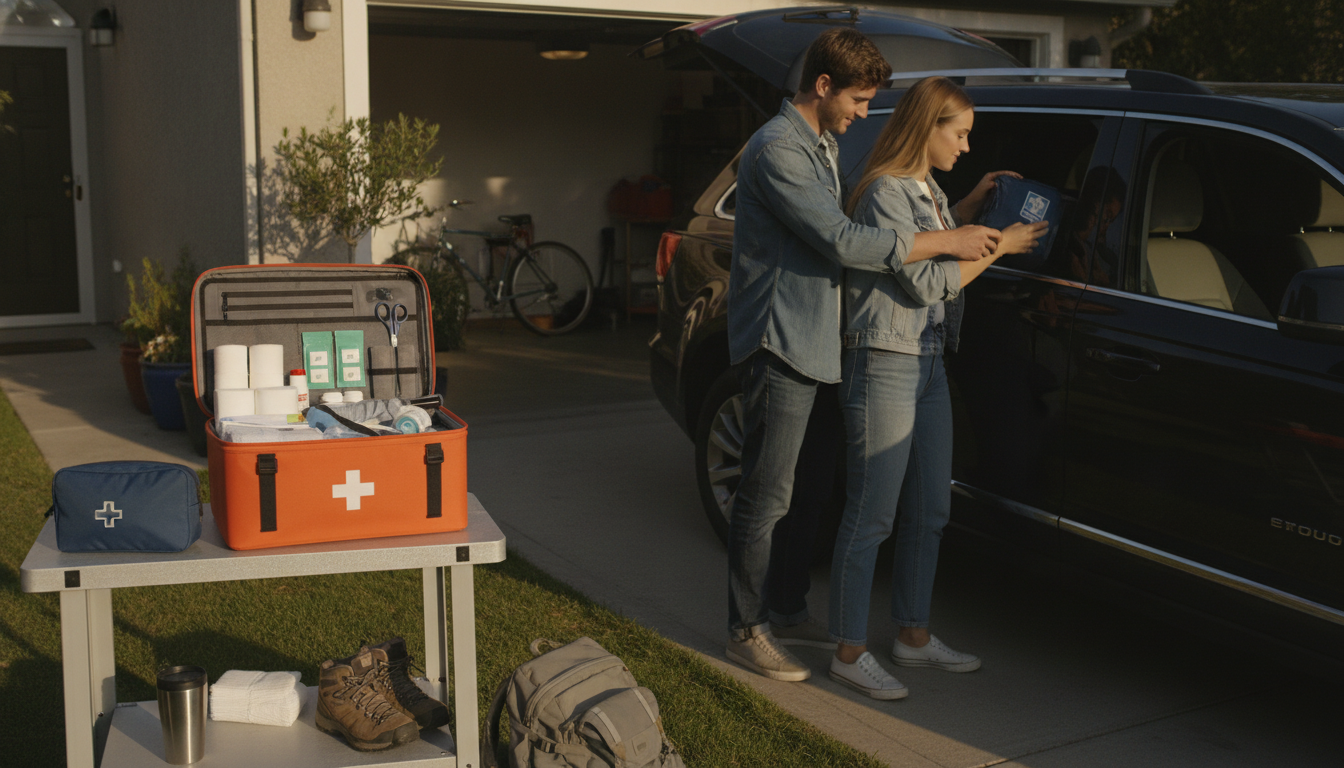
What are 10 important items in a first aid kit?
A well-stocked first aid kit helps you handle common injuries quickly while you decide whether professional care is needed. Here are 10 essentials that cover the basics for most everyday emergencies at home, in the car, or while traveling.
1) Adhesive bandages (assorted sizes)
Useful for small cuts, blisters, and scrapes. Include a few larger “knee/elbow” style bandages for better coverage.
2) Sterile gauze pads
Gauze is the go-to for cleaning, covering, and absorbing blood from larger wounds.
3) Medical tape
Secures gauze and dressings in place, especially on areas where bandages don’t stick well.
4) Elastic wrap bandage
Provides gentle compression and helps hold dressings in place on arms or legs.
5) Antiseptic wipes (or antiseptic solution)
Helps reduce germs around minor wounds before covering them. Choose individually wrapped wipes for portability.
6) Antibiotic ointment
Adds a protective layer to minor cuts and scrapes and can help prevent infection.
7) Tweezers
Handy for removing splinters, debris, or ticks (use steady, controlled pressure).
8) Small scissors
For cutting tape, gauze, or clothing away from a wound without pulling on injured skin.
9) Instant cold pack
Great for swelling, bruises, and minor sprains when ice isn’t available.
10) Nitrile gloves
Protects both the caregiver and the injured person during cleanup and wound care.
If you also keep supplies for animals, bookmark this helpful guide for quick steps and a printable reference: Printable Pet First Aid Cheat Sheet & Emergency Steps.
For 10 First Aid Kit Essentials for Home, Car & Travel, the best answer depends on fit, material, care instructions, and how the product will be used day to day.
Checking those details first helps avoid a poor match and keeps the choice practical after delivery.
FAQ
How often should you check and replace first aid kit supplies?
Check your kit every 3–6 months and after any use. Replace anything expired, opened, or running low, and restock seasonally (for example, add extra cold packs before summer travel).












Leave a comment